How to Choose the Right Siemens Servo Motor for Your Project?
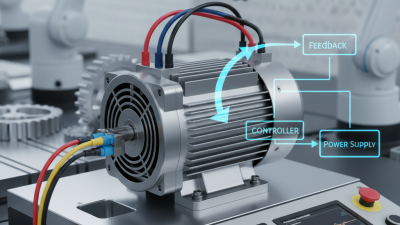
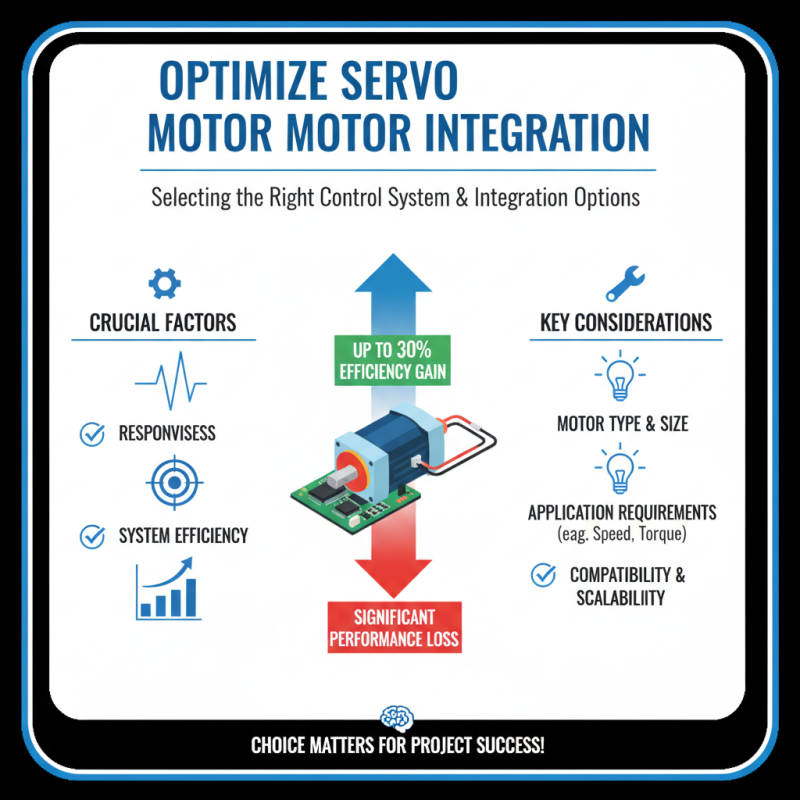
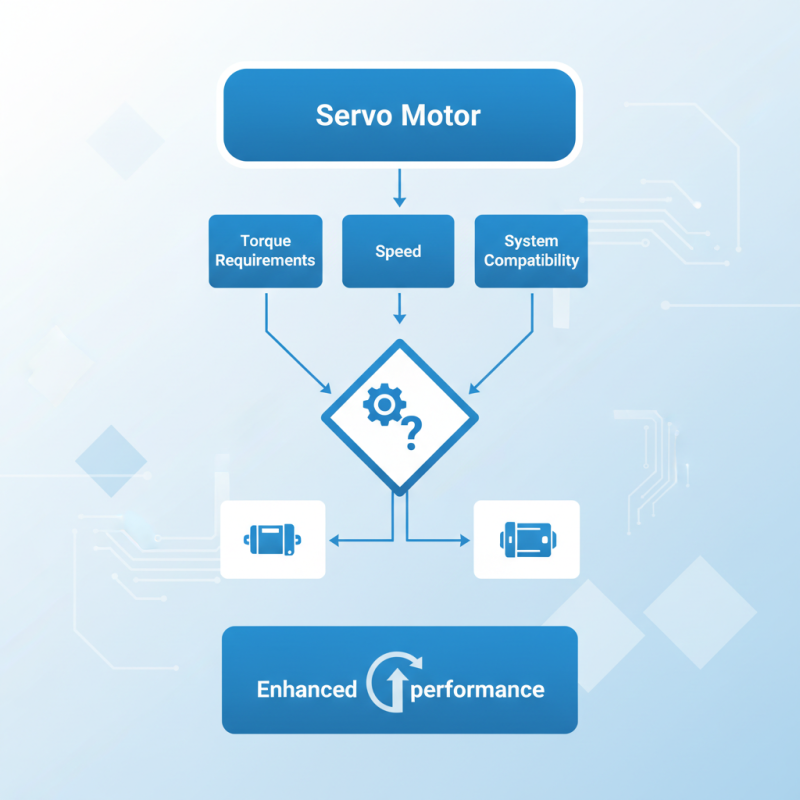
Choosing the right Siemens Servo Motor is crucial for your project's success. These motors provide precision and efficiency in a variety of applications. When selecting a Siemens Servo Motor, consider factors like torque requirements, speed, and compatibility with your system.
The motor's specifications should match your project's needs. It's essential to understand the load characteristics. An overloaded motor can lead to failure. Many engineers overlook this, so proper analysis is key. Remember, not all applications require the same type of motor. Some projects may benefit from a more powerful model, while others might require a lightweight option.
Incorporating Siemens Servo Motors can enhance your machine's performance. However, understanding their features can be daunting. Take the time to explore available options. Consult datasheets and engage with experts when needed. This effort will pay off in the long run and ensure that your project runs smoothly.
Understanding Siemens Servo Motor Types and Their Applications
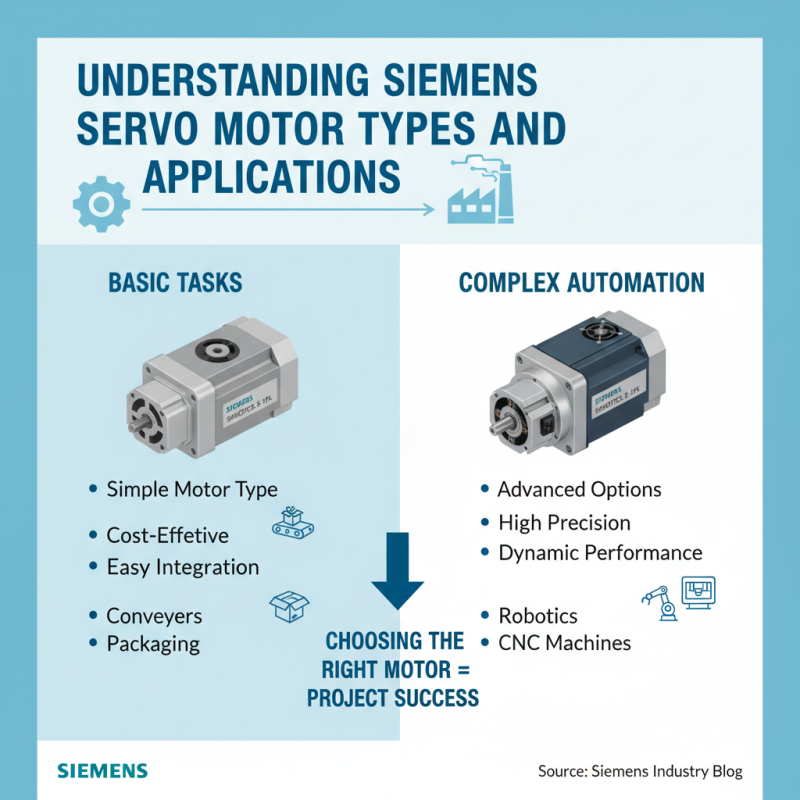
Choosing the right servo motor can significantly impact your project. Different types of servo motors have unique functionalities and applications. For instance, a simple motor might suffice for basic tasks. However, complex automation requires more advanced options.
In industrial settings, synchronous and asynchronous motors often excel. Synchronous motors offer high efficiency and precise control. Meanwhile, asynchronous motors are typically easier to manage but may lack precision. Evaluate your specific needs, such as speed and load requirements. Sometimes, it’s good to test multiple options before making a decision.
In robotic applications, torque and response time are critical. A motor that works in one scenario might underperform in another. Always look for real-world feedback and performance metrics. Consider that not all motors are built the same. The variety in specifications can be overwhelming. Reflect on what matters most for your design. Balancing cost and performance can be tricky, but it's necessary.
Evaluating Key Specifications: Power, Torque, and Speed Ratings
Choosing the right servo motor for your project involves careful evaluation of key specifications. Power ratings indicate the maximum output of the motor. They dictate how much work the motor can perform. A motor with too little power will struggle to meet your system's demands. Conversely, excessive power may lead to inefficiency.
Torque ratings are crucial for applications involving heavy loads. Torque is the rotational force the motor can exert. It’s essential to match the torque rating with your project's requirements. Too much torque can cause mechanical stress, while too little can lead to performance issues.
**Tips:** Always calculate the required torque based on your load and speed. Performing this calculation upfront can save time and resources later.
Speed ratings indicate how quickly the motor can operate. It affects overall system performance. Choosing the wrong speed can lead to delays or suboptimal functioning.
**Tips:** Consider the application's speed requirements and look for a motor that balances speed with torque. This balance is often harder to find than it seems. Be prepared to conduct a few iterations before settling on the right motor.
Choosing the Right Servo Motor for Your Project
| Motor Model |
Power (W) |
Torque (Nm) |
Speed (RPM) |
Efficiency (%) |
| Model A |
750 |
2.2 |
3000 |
85 |
| Model B |
1500 |
4.5 |
2500 |
90 |
| Model C |
3000 |
10.0 |
2000 |
88 |
| Model D |
500 |
1.5 |
4000 |
80 |
Matching Motor Size and Frame Class to Project Requirements
Choosing the right motor for your project starts with understanding the proper size and frame class. You need to analyze the specific requirements of your application. This includes torque, speed, and load characteristics. A motor that is too small may struggle, while one that is too large can waste energy.
Frame class impacts mounting options and overall system dimensions. You shouldn’t overlook environmental conditions either. If the motor is exposed to dirt or moisture, a higher protection class is essential. Conversely, in tight spaces, a compact frame is crucial. It’s important to assess whether your chosen size fits within the physical constraints of your design.
Remember, you may not always get it right on the first try. Trial and error is often necessary. Research and testing can reveal unexpected challenges. Inadequate sizing may lead to efficiency losses. Therefore, discussions with peers or industry experts can provide valuable insights. Don’t hesitate to reassess your initial choices as your project evolves.
Assessing Environmental Factors: IP Ratings and Cooling Methods
Choosing the right servo motor for your project involves understanding environmental factors. One key aspect is the IP rating. The Ingress Protection (IP) rating indicates how well a motor can withstand dust and moisture. For industrial settings, an IP65 rating is often recommended. This rating provides protection against dust and low-pressure water jets.
Cooling methods also play a vital role. Servo motors can generate significant heat during operation. Maintaining optimal temperatures is crucial to ensure longevity and performance. Fans, heatsinks, or even liquid cooling methods can be effective. Industry reports suggest that proper cooling can increase motor lifespan by up to 30%.
Tips: Assess your project's specific environmental needs first. Look at potential contaminants and temperature ranges. A higher IP rating may mean a higher cost, but it could save money long-term. Regular maintenance and monitoring can prevent overheating. Ensure your cooling method matches your motor's application to optimize efficiency.


 Baijia Hao