Top Motor Driver Trends to Watch in 2026?
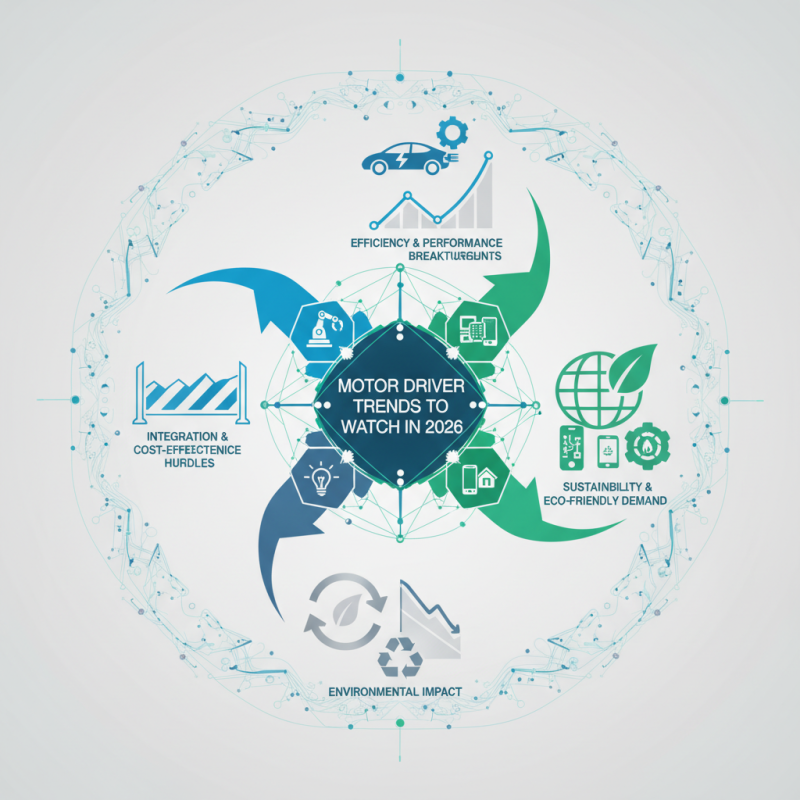
As we look toward 2026, the world of motor driver technology is on the brink of transformation. Innovations are speeding up. Key trends are emerging that may redefine this industry. The rise of electric vehicles is a significant factor in shaping motor driver advancements. Companies are investing heavily in efficiency, making breakthroughs in performance.
New applications for motor drivers are appearing. Robotics and automation are increasingly relying on advanced motor control. Smart devices are also becoming a critical market. This shift demands more precise and responsive motor driver solutions. However, challenges remain. Developers face hurdles in integration and cost-effectiveness.
Sustainability is a pressing concern. The demand for eco-friendly motor drivers is growing. Manufacturers must balance performance with environmental impact. Each step forward presents opportunities and obstacles. The journey in motor driver technology is filled with complexity, leaving room for reflection and reevaluation of strategies.
Emerging Technologies in Motor Driver Design for 2026
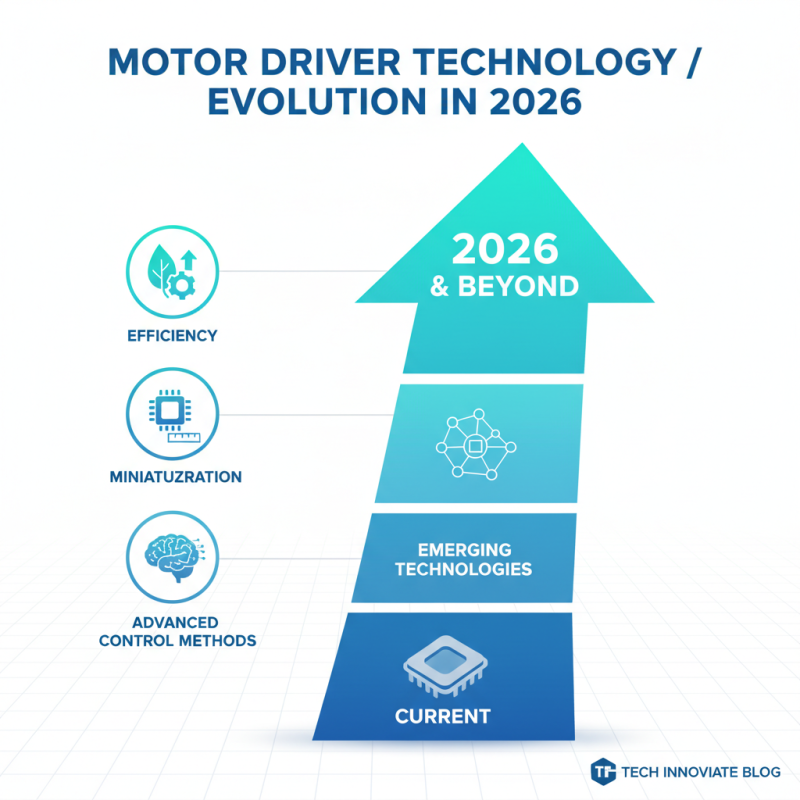
In 2026, motor driver technology will evolve significantly. Emerging technologies are reshaping the landscape. Innovations focus on efficiency, miniaturization, and advanced control methods.
One key trend is the development of smart motor drivers. These drivers can process data in real time. They use sensors to optimize performance. This intelligence reduces energy waste. It also enhances the overall reliability of systems.
Keep an eye out for 3D-printed motor components. This manufacturing method allows for customization of designs. It can lead to lighter and more efficient motors. However, the reliability of printed materials poses a challenge.
Tips: Always evaluate the trade-offs in new tech. Sometimes, the latest isn't the best for every application. Testing and prototyping can reveal hidden issues. Don't rush into implementation without due diligence. It's essential to consider long-term impacts.
Integration of AI and Machine Learning in Motor Control Systems
The integration of AI and machine learning in motor control systems is a rapidly evolving trend. By 2026, the market for AI-enabled motor drivers is expected to reach $6 billion. This growth demonstrates the increasing recognition of AI's potential in enhancing performance. Companies are focusing on
deep learning algorithms to optimize motor efficiency and reduce energy consumption.
In practice, the implementation of AI can improve responsiveness. For example, predictive maintenance powered by machine learning enables timely interventions. However, the transition is not without challenges. Many organizations lack the necessary data and infrastructure to support AI integration. Moreover, issues such as algorithm bias can affect outcomes.
Although AI can enhance motor control, it's essential to remain cautious. Dependence on these systems may introduce vulnerabilities. If systems fail, the high cost of downtime can be damaging. Companies must carefully consider how to balance innovation with reliability in motor driver technologies.
Sustainability Trends Affecting Motor Driver Development
Sustainability is reshaping the landscape of motor driver development. More companies are prioritizing energy efficiency in their products. This shift is crucial as global energy demands continue to rise. Many designers are now tasked with creating motor drivers that consume less power. Every watt saved is a step towards a greener future.
Embracing sustainable materials poses its challenges. While biodegradable components are desirable, they may lack durability. This raises questions about their long-term performance. Engineers constantly experiment with new designs to find the right balance between eco-friendliness and reliability. Sometimes, the results are not as expected. Failures lead to re-evaluation and innovation, sparking new ideas.
Moreover, recycling programs for motors and drivers are becoming more common. Proper waste management is essential, but implementation is often inconsistent. Many organizations struggle to establish effective systems. This disconnect can undermine sustainability goals, making it a focal point for future improvements. The road to sustainability is complex, but it fuels creativity and progress in the industry.
Top Motor Driver Trends to Watch in 2026
Advancements in Motor Driver Efficiency and Performance Metrics
Motor driver technology is evolving rapidly. In 2026, efficiency will take center stage. Engineers are focusing on minimizing energy loss. New materials are being tested. These advancements promise better thermal management and reduced heat generation. Less heat means longer device lifespan. Improved heat dissipation technologies are crucial for high-performance applications.
Performance metrics are becoming more sophisticated. Metrics will include real-time monitoring of current and voltage. This allows for quick adjustments in response to varying load conditions. Systems can adapt dynamically. Reliability will be a key focus.
Challenges remain. High efficiency often comes with complexity. Balancing performance and simplicity is difficult. Engineers must weigh trade-offs. Standardization is also an issue. Different applications require tailored solutions. As technology evolves, so will the strategies to overcome these hurdles. The road ahead may be bumpy, but the potential is high.
Impact of Electric Vehicle Growth on Motor Driver Demand
The growth of electric vehicles (EVs) is reshaping the motor driver market significantly. As more consumers opt for EVs, manufacturers are ramping up motor driver production. The focus is on efficiency, performance, and integration. Current technologies need to advance rapidly to meet this demand.
Moreover, the demand for compact designs and lightweight materials is escalating. Motor drivers must adapt to smaller spaces in EVs. This pushes manufacturers to innovate constantly. New designs often face challenges, like heat management and power loss. Addressing these issues is crucial for the long-term success of EVs.
In addition, greater energy efficiency is needed. Electric motors rely heavily on motor drivers. Yet, many drivers are outdated. Upgrading these systems can prove costly. Some manufacturers hesitate due to profit margins. Balancing innovation with profitability remains a key dilemma. The future landscape is filled with opportunities and challenges alike.
Top Motor Driver Trends to Watch in 2026 - Impact of Electric Vehicle Growth on Motor Driver Demand
| Trend |
Description |
Estimated Demand Increase (%) |
Market Share (%) |
| Increased Integration with IoT |
Growth in IoT applications drives the need for advanced motor driver solutions that can communicate with cloud services. |
20% |
15% |
| Focus on Energy Efficiency |
Demand for energy-efficient motor drivers is rising due to regulations and consumer preferences. |
25% |
30% |
| Development of Smart Motor Drivers |
Smart motor drivers with built-in intelligence are becoming essential in automating operations. |
30% |
25% |
| Rise of Electric Vehicles |
The increasing production and adoption of electric vehicles significantly drive the demand for powerful motor drivers. |
40% |
40% |
| Adoption of Advanced Materials |
Utilization of advanced materials in manufacturing motor drivers to enhance performance and reduce weight. |
15% |
10% |


 Baijia Hao