What is a Stepper Motor Driver and How Does It Work?
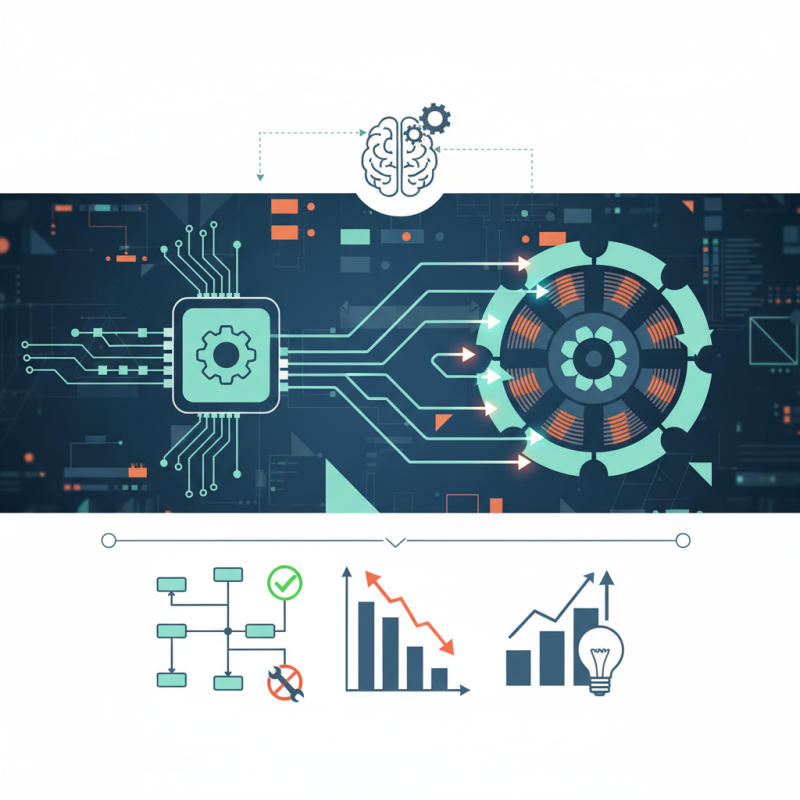
A Stepper Motor Driver is crucial in many applications. It allows precise control of stepper motors, which are popular in robotics and automation. These motors move in discrete steps, providing accurate positioning.
Understanding how a Stepper Motor Driver works is essential for engineers and hobbyists alike. The driver translates digital signals into movement. It's fascinating and complex, yet can seem daunting. Many struggle with wiring and configuration.
While the technology is advanced, the concept remains accessible. A good design empowers users to achieve their goals. However, improper use can lead to failures. Learning from mistakes is key in mastering this component.
What is a Stepper Motor Driver?
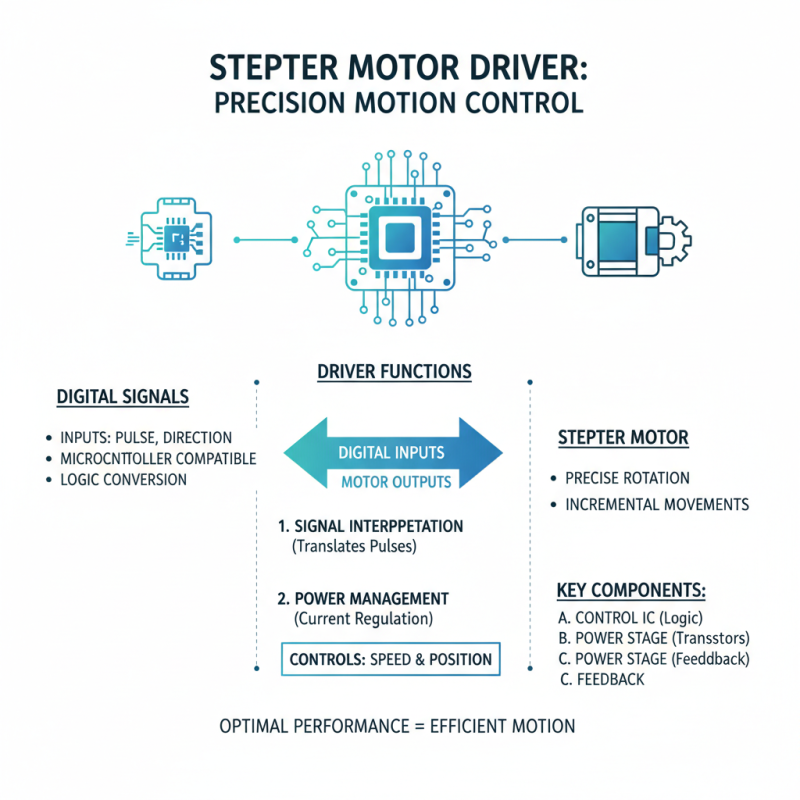
A stepper motor driver is a crucial component in modern automation and robotics. It controls the operation of stepper motors by converting digital signals into precise rotational movements. The driver interprets input signals, allowing the motor to move in defined steps. This precision makes stepper motors ideal for applications that require accurate positioning.
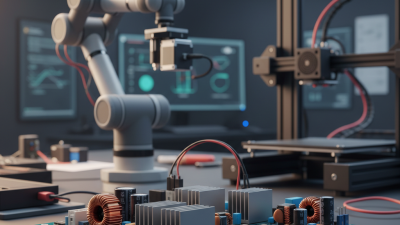
According to a recent industry report, the global stepper motor driver market is expected to grow at a compound annual growth rate (CAGR) of 6.3% from 2021 to 2028. The growth is driven by increasing automation in manufacturing. These drivers are widely used in 3D printers, CNC machines, and robotic arms. They ensure that these systems can respond swiftly to commands.
However, not all drivers are created equal. Some may not provide the required torque or speed under stress. This inconsistency can lead to performance issues and inefficiencies. Additionally, understanding the different types of stepper drivers, such as constant current or chopper circuits, is critical. Each type has its own benefits and drawbacks. This complexity requires careful consideration before implementation.
Stepper Motor Driver Performance Analysis
This chart illustrates the performance of a stepper motor driver across various metrics including current, voltage, RPM, temperature, and efficiency. The values represent typical operating conditions for stepper motor drivers.
The Basics of Stepper Motors and Their Applications
Stepper motors are crucial in various applications, from robotics to 3D printing. These motors offer precise control over rotation. They convert electrical pulses into discrete mechanical movements. This leveled control is vital in precision tasks.
According to a recent industry report, the stepper motor market is projected to reach over $5 billion by 2025. This growth stems from rising automation across sectors. In manufacturing, for instance, stepper motors enhance efficiency. They allow for exact positioning in CNC machines and conveyor systems. Their use in medical devices also grows steadily, driving innovation.
While stepper motors provide significant benefits, challenges exist. Heat generation can affect performance, leading to inefficiencies. Additionally, resolution limits may result in missed steps under heavy loads. Engineers must compensate for these factors to optimize motor use. Design considerations are essential in ensuring reliability in applications.
How Stepper Motor Drivers Control Motor Movement
Stepper motor drivers are crucial in controlling the movement of stepper motors. They convert digital signals into precise step commands.
This allows for accurate positioning and speed control. They often operate on the principles of pulse-width modulation and current regulation.
When a signal is sent to the driver, it energizes the motor's coils in a sequence. This results in controlled and incremental movement.
The driver itself interprets the control signals from a microcontroller. Each pulse corresponds to a defined movement step.
For example, a common setup might move the motor one-and-a-half degrees with every pulse.
Drivers can also adjust the current sent to each coil, influencing torque and performance.
This feature can lead to challenges, especially in maintaining ideal performance without overheating.
Yet, using stepper motor drivers comes with its own set of complexities. For instance, wiring issues can lead to miscommunication between components.
Sometimes, the driver settings might not align with the motor specifications, causing erratic behavior. Understanding these aspects is crucial.
It’s essential to align the driver capabilities with motor requirements for optimal functionality.
Key Components of a Stepper Motor Driver
A stepper motor driver transforms digital signals into precise movements. It manages the operation of a stepper motor. Essential components determine its performance and efficiency.
One key component is the microcontroller. It sends commands to the driver, deciding when to step. This small chip plays a significant role in timing. Next, there’s the driver circuit, which amplifies signals from the microcontroller. This circuit translates low-power signals into higher ones. Without it, the motor would not receive enough power.
Another vital component is the power supply. It provides the necessary voltage and current for the motor to function effectively. Sometimes, underload, the driver may fail to deliver enough power. Additionally, there’s often a heat sink involved. It dissipates the heat generated during operations. However, if the cooling isn’t adequate, overheating can occur, leading to operational failures. Balancing these components is crucial for success.
Common Types of Stepper Motor Drivers and Their Features
Stepper motor drivers are essential components in motion control systems. They convert digital pulses into precise mechanical movements. Various types of stepper motor drivers have distinct features that cater to different applications.
One common type is the unipolar driver. It simplifies control by utilizing a single power supply and provides a straightforward implementation. However, its torque may be lower compared to some alternatives.
Bipolar drivers, on the other hand, produce higher torque and are preferred in applications requiring more power. Data shows that bipolar drivers can enhance performance by up to 30% in specific scenarios.
Microstepping drivers are increasingly popular. They allow for smoother and quieter operation. This technology improves resolution significantly. Reports indicate that microstepping drivers can reduce vibrations by up to 50%. However, the complexity of microstepping can lead to difficulties in setup.
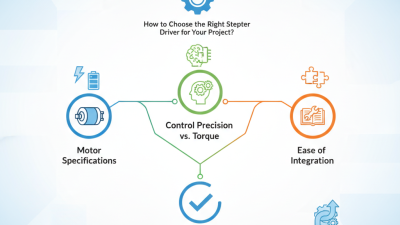
Tips: Always check compatibility with your motor. Incompatible drivers can cause frustrating issues. Consider your application needs carefully. What works for one setup may not work for another.


 Baijia Hao